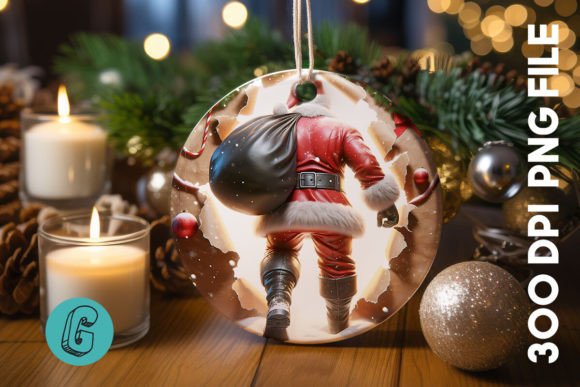
3D Santa Ornament Back 15: Illustrations Review
As a graphic designer who spends most of my week balancing aesthetic appeal with commercial viability, I approach every new graphic design asset with a critical eye. It is not enough for an image to simply look festive; it must perform under the pressure of real-world application. Recently, I evaluated 3D Santa Christmas Ornament Back 15 for a potential client project involving a boutique holiday gift line. The goal was to determine if this specific illustration could elevate the brand’s seasonal campaign or if it would get lost in the noise of typical holiday marketing. My assessment focuses on its utility, visual impact, and integration into professional workflows.
First Impressions and Visual Mood
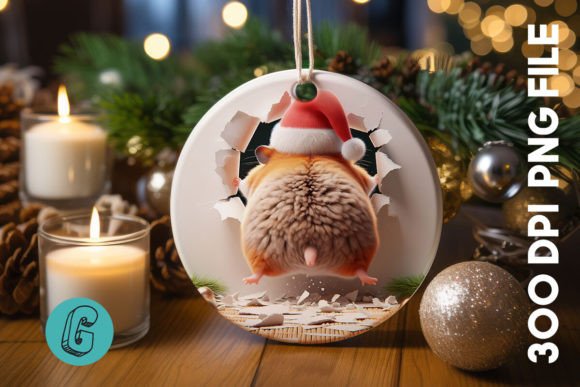
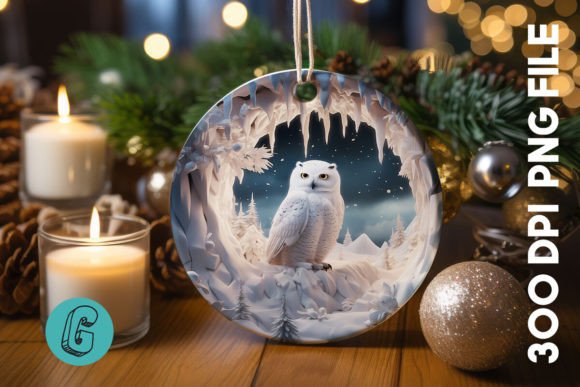
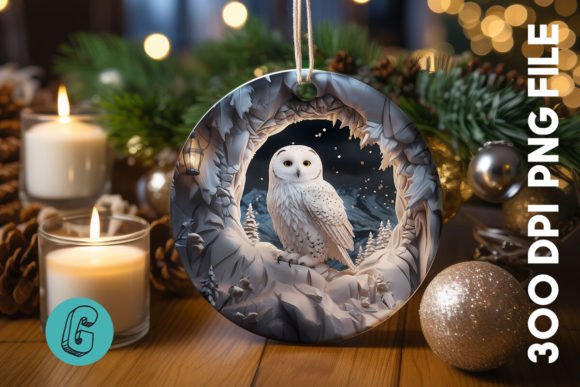
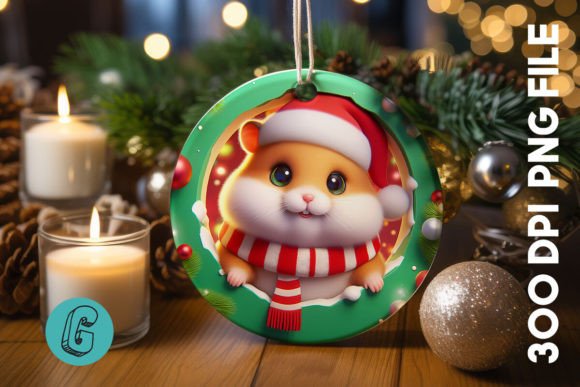
The immediate impression of 3D Santa Christmas Ornament Back 15 is one of depth and tactile quality. Unlike flat vector clipart that can sometimes feel sterile, this asset carries a sense of volume. The lighting effects suggest a glossy, reflective surface, which is crucial for creating a premium feel in packaging design and product mockups. The mood is warm yet polished, striking a balance between traditional holiday nostalgia and modern digital clarity. For clients in the handmade business sector, this distinction is vital. It signals quality without appearing overly corporate, making it an excellent fit for small business branding that aims to feel personal yet professional.
This piece belongs to the broader category of Illustrations that prioritize realism within a stylized framework. It does not try to be a photograph, but it respects the physics of light and shadow. This makes it versatile for both digital and print mediums, provided the resolution and format are handled correctly during the production phase.
Application in Real Client Projects
In a practical setting, I tested this asset across several common deliverables. For social media graphics, particularly Instagram posts and Pinterest pins, the ornament serves as a strong focal point. Its three-dimensional nature grabs attention in crowded feeds where flat designs often blend together. When paired with a clean sans serif font, the contrast between the detailed illustration and the minimal typography creates a sophisticated visual hierarchy.
For Etsy product listings and print-on-demand items, such as mugs and tote bags, the asset performs well when isolated on transparent backgrounds. I found it particularly effective for sticker design and Cricut project applications. However, designers must ensure they are using the correct file type. A high-resolution PNG design is essential for raster-based printing, while an SVG design is preferable for cutting machines to maintain crisp edges at any scale. If you are creating a Canva template for resale, this element adds significant perceived value, allowing end-users to create professional-looking holiday invitations or greeting cards with minimal effort.
In the realm of editorial design and blog visuals, the ornament works beautifully as a header accent or a section divider. It breaks up text-heavy layouts without overwhelming the reader. For web design, it can be used as a decorative hero element on landing pages, provided it is optimized for fast loading times. The key is to use it as a supporting actor rather than the entire stage, allowing it to enhance the narrative of the marketing visuals rather than distract from the core message.
Strategic Placement and Design Constraints
While 3D Santa Christmas Ornament Back 15 is a robust asset, it is not a universal solution. It thrives in large layout areas where its details can be appreciated. Using it as a tiny icon in a footer or a complex navigation bar will result in a loss of definition, reducing the 3D effect to a muddy blur. Therefore, it is best suited for hero graphics, standalone printable design elements, or central components of a design bundle.
Designers should exercise caution when placing this illustration over busy or low-contrast backgrounds. The subtle gradients that give the ornament its depth can disappear against patterned textures. It performs best on solid colors or soft, blurred backgrounds that mimic depth of field. Additionally, this asset may not align with brands that adhere to strict minimalist or flat design principles. If a client’s brand identity relies on two-color logos and geometric simplicity, introducing a realistic 3D element can create visual dissonance. In such cases, it is better to reserve this asset for seasonal sub-campaigns rather than core logo design or permanent brand materials.
Impact on Brand Perception and Engagement
The psychological impact of using high-quality clipart or illustrations like this cannot be overstated. Consumers associate detailed, well-rendered graphics with higher product value. By incorporating 3D Santa Christmas Ornament Back 15 into your commercial design projects, you subtly communicate attention to detail. This builds visual trust and enhances emotional appeal, which is critical during the holiday season when purchasing decisions are often driven by sentiment.
Furthermore, consistent use of such assets across t-shirt design, packaging, and digital ads strengthens brand recognition. When customers see the same high-quality visual language across different touchpoints, it reinforces the professionalism of the creative marketplace seller. It moves the perception from a casual hobbyist to a serious contender in the retail space.
Practical Designer Notes for Implementation
Before finalizing any client deliverable with this asset, I recommend a rigorous testing protocol. First, always preview the design in black and white. This helps identify any contrast issues that might affect readability or visibility in grayscale printing scenarios. Second, test the asset on both light and dark backgrounds to ensure the lighting effects remain intact. A white highlight on a white background, for instance, will vanish completely.
- File Format Verification: Confirm whether you have access to vector files for scalability or high-DPI PNGs for raster work. Never upscale a low-resolution JPEG for print.
- Typography Pairing: Experiment with different font styles. While sans serif offers modernity, a script font or handwritten font can enhance the handmade, artisanal feel. Avoid overly decorative display fonts that compete with the intricate details of the ornament.
- Licensing Check: Always verify the commercial license terms. Ensure that the usage rights cover your specific client needs, whether it is for physical products, digital downloads, or widespread advertising.
- Mockup Testing: Place the design on real-world product mockups early in the process. Seeing how the ornament wraps around a mug or sits on a box label reveals spatial issues that flat screens hide.
In conclusion, 3D Santa Christmas Ornament Back 15 is a valuable addition to any designer’s toolkit for seasonal projects. It offers the depth and polish required for high-end sublimation design and digital product creation. By understanding its strengths in creating mood and its limitations in complex layouts, designers can leverage this asset to create compelling, professional, and emotionally resonant holiday campaigns. It is not just an image; it is a tool for enhancing brand consistency and driving engagement in a competitive market.