Review: Christmas Pig Broken Wall 2 for Holiday Embroidery
As a designer who spends more time staring at stitch simulations than I do sleeping, I have learned that not every cute illustration translates well to thread. We have all been there: you find a charming graphic, download the digital embroidery file, and assume it will look just as crisp on fabric as it does on your screen. It rarely does. That is why I approach every new asset with a healthy dose of skepticism. Recently, I pulled up Christmas Pig Broken Wall 2 to evaluate its potential for my upcoming holiday collection. This piece falls under the category of Illustrations, which usually means complex lines and shading that can be tricky to replicate with needle and thread. Here is my honest assessment of how this design holds up in real-world production.
First Impressions and Visual Personality
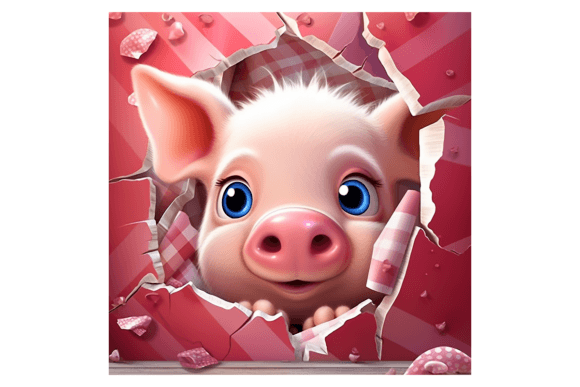
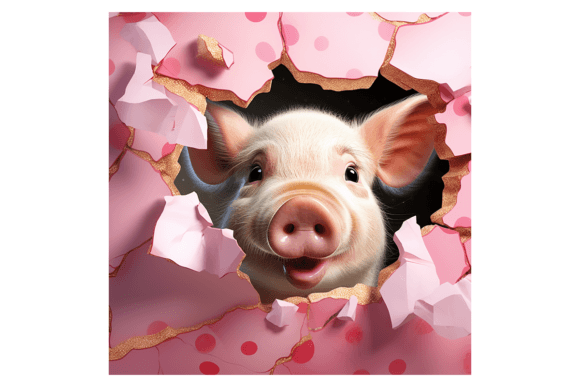
The first thing that strikes you about Christmas Pig Broken Wall 2 is its narrative quality. It is not just a static image of a pig; it implies action and humor. The concept of a "broken wall" suggests a playful breach, perhaps revealing the pig peeking through or causing mischief. For holiday embroidery, this kind of whimsical energy is gold. It moves away from the traditional, stiff Santa Claus imagery and offers something modern and memorable.
From a layout perspective, the design needs to balance the character with the structural elements of the wall. In many machine embroidery design files of this nature, the challenge lies in the transition between the organic shapes of the animal and the geometric, jagged lines of the broken bricks or plaster. If the digitizer has done their job well, these elements should complement each other without creating excessive jump stitches or dense clusters that pucker the fabric. My initial visual scan suggests a strong focal point, which is crucial for maintaining viewer engagement on a finished product.
Real-World Application: The Tote Bag Test
To truly understand the value of this asset, I imagined it applied to a specific project: a heavy canvas tote bag for a local boutique client. Tote bags are a staple for Etsy sellers and small shop products because they offer a large, flat surface area. However, canvas has a distinct weave that can interfere with fine details.
If I were stitching Christmas Pig Broken Wall 2 onto a natural cotton tote, I would be looking closely at the stitch density. A design with too much fill stitch coverage on thick canvas can cause the bag to stiffen unnaturally or distort the handles. Conversely, if the design relies too heavily on running stitch outlines, it might get lost in the texture of the fabric. The ideal scenario here is a balanced mix where the pig’s features are defined clearly, perhaps using a satin stitch for smaller accents like the snout or eyes, while the wall texture uses a lighter fill to maintain flexibility.
For a handmade product like this, the visual appeal directly impacts perceived value. A crisp, clean execution of this humorous scene could easily justify a higher price point, turning a simple bag into a standout personalized gift or a unique piece of custom apparel accessory.
Fabric Considerations and Stitch Clarity
Not every fabric plays nice with detailed illustrations. When considering Christmas Pig Broken Wall 2 for different applications, you must adjust your expectations based on the material. For instance, using this on a fleece sweatshirt requires careful attention to stabilizer choice. Fleece is plush and can swallow small details. If the design includes tiny cracks in the wall or fine whiskers on the pig, they might disappear into the pile unless you use a cut-away stabilizer and potentially increase the stitch count slightly for better coverage.
On the other hand, applying this to a structured cap presents a different set of challenges. Curved surfaces distort designs. The "broken wall" element, if it spans a wide horizontal area, might warp awkwardly over the front panel of a hat. In such cases, I would recommend scaling down the design or simplifying the background elements to ensure the pig remains the clear hero of the composition. For baby embroidery items like onesies, softness is paramount. You would want to ensure that the back of the stitching is smooth and that no dense areas irritate sensitive skin. A lightweight tear-away stabilizer and high-quality rayon thread would be essential here.
Commercial Viability and Brand Consistency
For craft business owners, consistency is key. If you are building a brand around whimsical holiday decor, Christmas Pig Broken Wall 2 fits seamlessly into a broader collection. It appeals to buyers looking for something beyond the generic. Whether you are selling embroidered patches, kitchen towels, or pillow covers, this design adds a layer of personality that fosters customer trust. Buyers engage more with products that feel curated and thoughtful rather than mass-produced.
However, before listing this as a commercial embroidery asset, you must verify the licensing terms. Just because you purchased the embroidery file does not automatically grant you the right to sell unlimited finished goods. Always check the provider’s policy. Additionally, consider how the design looks in black and white. If the contrast relies solely on color, it may fail when stitched on dark fabrics. Testing the design on both light and dark backgrounds is a non-negotiable step in my workflow.
Practical Designer Notes for Execution
Before you load this design into your machine, take a moment to run through this checklist. These steps have saved me from countless hours of unpicking threads:
- Test on Scrap Fabric: Never stitch directly on your final garment. Use a piece of the exact same fabric and stabilizer combination to check for puckering or registration issues.
- Check Thread Contrast: Ensure your thread colors stand out against the fabric. If the wall is beige and your fabric is cream, the design will vanish. Consider using a darker outline or shadow stitch to define edges.
- Review Stitch Density: Look at the color block simulation. Are there areas where multiple layers of fill stitch overlap? This can cause needle breaks or thread bunching.
- Confirm Hoop Size: Make sure the design fits comfortably within your hoop with enough margin for the frame to grip the fabric securely.
- Inspect Small Details: Zoom in on the digital preview. Are the eyes symmetrical? Is the text, if any, legible? Tiny lettering often fails in embroidery and may need to be enlarged or removed.
- Use Proper Stabilizer: Match the stabilizer to the fabric weight. Heavy fabrics need cut-away; light wovens need tear-away; knits need cut-away to prevent stretching.
Final Verdict
Christmas Pig Broken Wall 2 is a promising addition to any holiday-themed library of design assets. Its strength lies in its character and humor, which resonate well with modern consumers seeking unique holiday embroidery options. While it requires thoughtful handling regarding fabric choice and stabilizer selection, the potential for creating high-value finished products is significant. Whether you are an experienced apparel decorator or a hobbyist making gifts for family, this design offers a fresh take on seasonal motifs. Just remember to respect the technical limitations of your machine and materials, and you will likely end up with a piece that delights both you and your customers.