Reviewing the Christmas Poinsettia Broken Wall Design
As a designer who has spent years digitizing patterns and testing them on everything from flimsy silk to heavy denim, I approach every new machine embroidery design with a mix of curiosity and skepticism. We have all been there: you download a beautiful preview image, load it onto your machine, and watch in horror as the fabric puckers or the details merge into an indistinguishable blob. That is why I took a close, practical look at the Christmas Poinsettia Broken Wall design. This is not just about aesthetics; it is about how this piece functions in the real world of craft businesses and handmade production.
First Impressions and Visual Mood
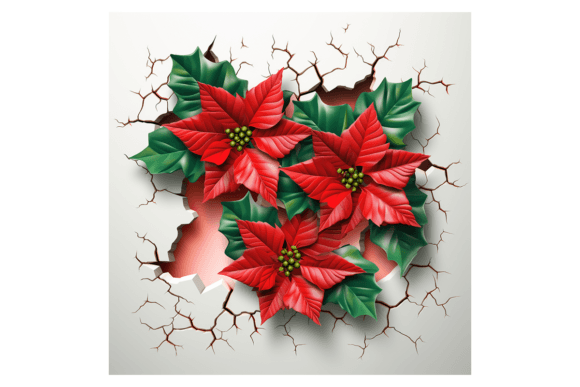
The first thing that strikes you about the Christmas Poinsettia Broken Wall is its narrative quality. It falls squarely into the category of Illustrations that tell a story rather than just decorating a surface. The concept of a vibrant poinsettia bursting through or resting against a textured, broken wall creates an immediate contrast between organic softness and industrial roughness. For holiday embroidery, this is a refreshing departure from the standard, flat floral arrangements we see every December.
The mood is rustic yet elegant. It feels grounded. When I visualize this stitched out, I do not see it on a pristine, formal dinner napkin. Instead, I see it on items that have character and texture. The visual personality suggests durability and warmth, making it an excellent candidate for products that are meant to be used and loved, rather than just displayed. The layout appears balanced, with the floral elements likely providing a splash of color against a more neutral, structural background. This balance is crucial for maintaining stitching clarity, especially when working with complex themes.
Real-World Application: The Tote Bag Test
To truly evaluate a design, you must imagine it on a specific product. Let us consider a custom embroidered tote bag. This is a staple for any Etsy seller or small shop owner during the holiday season. A canvas tote provides the perfect medium for the Christmas Poinsettia Broken Wall. The heavy weight of the canvas can support the stitch density required for the "wall" texture without needing excessive stabilizer, while the open weave allows the satin stitches of the poinsettia petals to sit smoothly.
In this scenario, the design acts as a focal point. If I were producing these for a boutique, I would choose deep reds and forest greens for the flower, contrasting with slate grays or warm taupes for the wall element. The result is a handmade product that feels substantial. Customers are drawn to items that look professional but retain a human touch. This design bridges that gap. It is intricate enough to justify a higher price point but straightforward enough to stitch reliably in a production run. It transforms a simple bag into a statement piece, ideal for carrying holiday gifts or groceries with style.
Apparel and Custom Gifts
Beyond accessories, this design shines in custom apparel. Imagine it on the left chest of a heavyweight sweatshirt or the back of a flannel shirt. The "broken wall" motif lends itself beautifully to the cozy, layered aesthetic of winter fashion. For sweatshirt embroidery, the key is managing the pile of the fabric. A design with varied textures, like this one, can sometimes get lost if the stitches are too short. However, the bold nature of the poinsettia ensures it remains visible. It also makes for a memorable personalized gift. Adding a name in a complementary font below the wall element could create a stunning family heirloom piece.
For those interested in baby embroidery, caution is advised. While the theme is festive, the complexity might be too much for delicate baby skin or thin fabrics. However, scaled down and simplified, it could work on a sturdy denim jacket for a toddler, adding a touch of holiday cheer without overwhelming the small frame. Always consider the end user’s comfort and the garment's purpose.
Technical Considerations and Stitching Performance
From a technical standpoint, the success of the Christmas Poinsettia Broken Wall depends heavily on execution. The interplay between the organic flower and the geometric or textured wall requires careful attention to stitch density. The wall portion likely utilizes fill stitches to create depth and shadow. If the density is too high, you risk perforating the fabric or causing significant pull. If it is too low, the backing material might show through, ruining the illusion of a solid structure.
I recommend using a cut-away stabilizer for most applications, especially on knit fabrics like t-shirts or sweatshirts. For woven fabrics like cotton or linen, a tear-away might suffice, but test first. The thread colors you choose will make or break the design. High contrast is essential here. Do not be afraid to use variegated threads for the poinsettia petals to add dimension, but keep the wall section in solid, matte tones to ground the image. Testing the design in black and white mockups before stitching can help you verify that the contrast holds up even without color.
Fabric and Hoop Constraints
Where should you use this design carefully? Avoid highly stretchy fabrics unless you are an experienced embroiderer with the right stabilizers. The detailed corners of the "broken" wall effect may not translate well on curved surfaces like caps unless the design is specifically digitized for hats. Standard flat embroidery files often distort on the curved panel of a cap. Similarly, be cautious with thin fabrics. The density required for the wall texture could cause puckering on lightweight silks or rayons. Always hoop your fabric tightly and consider using a topping if you are working with textured materials like fleece or towels to prevent the stitches from sinking in.
Check the recommended hoop size before starting. This design likely requires a medium to large hoop to capture the full detail of the wall and flower interaction. Cramping it into a small 4x4 hoop might lose the nuance of the background texture. Verify the file formats provided to ensure compatibility with your specific machine brand. Whether you are using Brother, Janome, Bernina, or Husqvarna, having the correct digital embroidery file is non-negotiable for a clean finish.
Commercial Value and Brand Consistency
For commercial embroidery professionals and craft business owners, the Christmas Poinsettia Broken Wall offers strong commercial potential. It is distinctive. In a sea of generic snowflakes and Santa Claus images, this design stands out. It appeals to customers looking for something more sophisticated and artistic. This uniqueness builds brand consistency for sellers who focus on high-quality, artisanal goods. It signals to buyers that you care about design integrity and artistic merit.
When creating printable mockups for your online store, ensure the lighting highlights the texture of the stitches. Show close-ups of the satin stitch edges and the fill areas. This transparency builds customer trust. Buyers want to know what they are getting. A well-executed sample photo can significantly boost buyer engagement and conversion rates. Furthermore, because this design fits into the Illustrations category, it can be marketed as art wear, appealing to a demographic willing to pay premium prices for unique, limited-edition items.
Final Designer Notes
Before you commit to a large production run, always stitch out a test sample on scrap fabric identical to your final product. Check for thread breaks, nesting, and overall appearance. Inspect small details to ensure they are crisp. Confirm licensing terms if you plan to sell finished items. Most designers allow commercial use for physical products, but restrictions may apply to digital resale. Respect intellectual property and support the creators who provide these valuable design assets.
In conclusion, the Christmas Poinsettia Broken Wall is a robust, versatile choice for holiday projects. It balances artistic flair with practical applicability. Whether you are creating a tote bag design for a local market, an embroidered patch for a jacket, or a centerpiece for a holiday table setting, this design delivers. It invites creativity while demanding respect for technical precision. Use it wisely, stitch it carefully, and enjoy the process of bringing this striking illustration to life.