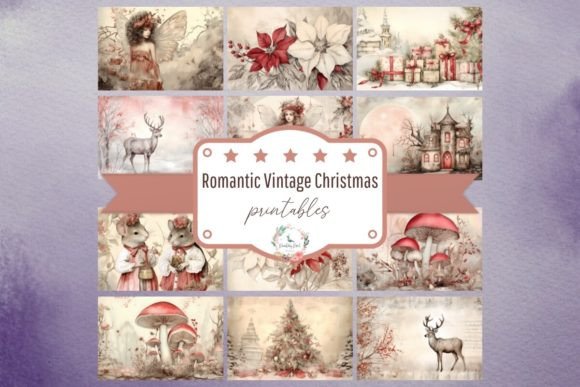
Reviewing Romantic Vintage Christmas Digital Paper for Embroidery
As a designer who spends more time staring at stitch simulations than I do sleeping, I have learned that not every beautiful graphic translates well into thread. We often get swept up in the aesthetic of a digital embroidery file without considering how it will behave under the needle. Recently, I took a close look at Romantic Vintage Christmas Digital Paper to determine if it holds up in real-world production. This is not just about whether it looks pretty on a screen; it is about whether it creates a viable handmade product that customers will value and wear with pride.
The first impression of this collection is undeniably atmospheric. It leans heavily into nostalgia, featuring soft, muted tones and classic holiday motifs that feel pulled from a storybook rather than a modern catalog. For an embroidery designer, this mood is crucial. It dictates the type of project the design belongs to. You would not use this for a high-energy sports team logo, but it is perfect for a cozy, heritage-style holiday embroidery piece. The visual personality suggests warmth, tradition, and quiet celebration. When I imagine stitching this out, I see it living on natural fibers like linen, cotton, or wool blends, where the texture of the fabric can complement the vintage vibe of the artwork.
Real-World Application: The Holiday Tote Bag Test
To truly evaluate Romantic Vintage Christmas Digital Paper, I mentally placed it into a specific client scenario. Imagine a small shop owner preparing a limited run of custom tote bags for a winter craft fair. The goal is to create a tote bag design that feels exclusive and giftable. In this context, the illustrations from this collection serve as the central focal point. Because the designs are categorized under Illustrations, they likely possess a level of artistic detail that goes beyond simple clip art.
If I were stitching this onto a canvas tote, I would need to consider how the design interacts with the weave of the fabric. Vintage styles often rely on subtle shading. In embroidery, we achieve this through thread blending or careful placement of fill stitch areas. If the digital paper features complex gradients, I would need to simplify them for machine execution. A direct translation might result in excessive thread breaks or a muddy appearance. However, if the design uses clean lines and distinct color blocks, it becomes a dream to stitch. The result would be a bag that looks like a heirloom piece, elevating the perceived value of the small shop product significantly.
Performance Across Different Garments
Versatility is key for any craft business. I evaluated how these designs might perform on various substrates. For sweatshirt embroidery, the vintage aesthetic works beautifully. The softness of the fleece complements the romantic theme. Here, I would recommend using a cutaway stabilizer to ensure the design remains stable over time, especially if the sweatshirt is washed frequently. The stitch density must be balanced; too dense, and the garment becomes stiff and uncomfortable; too light, and the fabric might pucker around the edges.
When considering baby embroidery, such as on a onesie or a nursery blanket, safety and comfort are paramount. The designs in Romantic Vintage Christmas Digital Paper seem gentle enough for infant items, provided the stitch count is managed. I would avoid large, solid areas of satin stitch on baby skin, as they can be scratchy. Instead, opting for lighter fill patterns or incorporating applique design techniques could make the finished product softer and more durable. An applique approach also reduces the total stitch count, which speeds up production time for an Etsy seller managing high order volumes.
For structured items like caps or hats, the curvature of the surface presents a challenge. Detailed vintage illustrations can distort if placed incorrectly. I would advise keeping the design centered and avoiding intricate details near the edges of the hoop size limit. A simpler version of the design, perhaps focusing on a single motif from the collection, would work best here. This ensures the embroidered patch or direct stitch remains clear and recognizable even from a distance.
Navigating Technical Challenges
While the aesthetic appeal is high, there are areas where caution is necessary. Vintage designs often feature fine lines and delicate corners. In machine embroidery, tiny details can get lost or cause thread bunching. Before committing to a full production run, it is essential to test the design on scrap fabric. This allows you to check the thread colors against the background and ensure that the running stitch outlines are secure.
Fabric choice plays a massive role in the final outcome. On dark fabrics, the vintage pastel or muted tones might lack contrast. In such cases, I recommend adding a white or light-colored underlay to make the colors pop. Conversely, on thin or stretchy fabrics, the weight of the embroidery can cause distortion. Using the appropriate stabilizer is non-negotiable. For knits, a poly-mesh cutaway is ideal, while woven fabrics might only need a tear-away. Always verify the recommended hoop size and ensure your machine can handle the dimensions of the design without re-hooping, which can lead to alignment issues.
Enhancing Brand Value and Customer Trust
From a business perspective, using high-quality assets like Romantic Vintage Christmas Digital Paper contributes to brand consistency. When customers see a cohesive, professional look across your custom apparel and home decor items, it builds trust. The vintage theme appeals to buyers looking for unique, personalized gifts that stand out from mass-produced goods. Whether it is a personalized gift for a wedding or a seasonal decoration, the emotional connection created by the design drives engagement.
Moreover, these designs can serve as excellent printable mockup elements for your online store. Even before stitching, you can use the digital files to create realistic previews for your listings. This helps customers visualize the finished product and increases conversion rates. For commercial embroidery projects, ensuring you have the correct license is critical. Always check the terms of use for the design assets to confirm you are allowed to sell physical items made with these files. Most designers allow commercial use for physical goods, but restrictions may apply to digital resale.
Practical Notes for the Embroidery Designer
To get the best results from this collection, keep these practical tips in mind:
- Test on Scrap Fabric: Always run a test stitch-out to check for thread breaks and tension issues.
- Check Color Contrast: Ensure the thread colors stand out against your chosen fabric, especially for vintage muted tones.
- Review Stitch Density: Adjust density if necessary to prevent puckering on lightweight fabrics.
- Confirm Hoop Size: Make sure your hoop can accommodate the design dimensions without resizing, which can distort proportions.
- Inspect Small Details: Zoom in on the digitized file to ensure tiny elements are not too fine for reliable stitching.
- Use Proper Stabilizer: Match the stabilizer type to the fabric weight and stretch characteristics.
- Verify Licensing: Double-check the license agreement before selling items made with these designs to avoid legal issues.
In conclusion, Romantic Vintage Christmas Digital Paper offers a charming and versatile option for designers looking to add a touch of nostalgia to their work. By understanding its technical requirements and applying it thoughtfully to suitable projects, you can create stunning, high-value items that resonate with customers. Whether you are an experienced pro or a hobbyist, taking the time to evaluate the design’s practical application will ensure your embroidery project is a success.