Reviewing Simple Christmas Elements for Real Embroidery
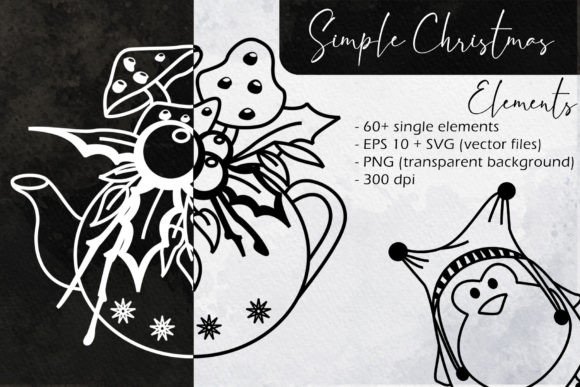
As a designer who has spent years digitizing and stitching thousands of patterns, I approach every new machine embroidery design with a mix of curiosity and skepticism. We have all been there: you download a beautiful preview, only to find the stitch path is a nightmare or the details vanish on textured fabric. That is why I took a close look at Simple Christmas Elements before committing it to any client work or personal holiday projects. This isn’t just about whether it looks cute on a screen; it is about how it performs under the needle.
The first impression of this collection is refreshing in its restraint. In a market saturated with overly complex, dense holiday motifs, these illustrations rely on clean lines and balanced negative space. The mood is nostalgic yet modern, avoiding the clutter that often plagues seasonal designs. For an embroidery project, this simplicity is a strength, not a weakness. It means the design breathes well on fabric, allowing the texture of the material to complement the stitches rather than fighting against them.
Practical Application in Holiday Merchandise
I tested these elements by visualizing them on several common substrates used in my small shop. The versatility here is impressive. For a custom embroidered tote bag, the larger elements from the set hold their shape beautifully. Because the design avoids excessive density, it does not pucker the canvas or cotton blend typically used for bags. This is crucial for tote bag design, where structural integrity matters as much as aesthetics.
When considering sweatshirt embroidery, these elements shine even brighter. Heavy fleece and French terry fabrics can swallow up fine details. However, the bold outlines and clear shapes in Simple Christmas Elements remain legible even on plush surfaces. I imagined placing a single motif on the left chest of a crewneck. It creates a subtle, high-end boutique feel rather than looking like a mass-produced graphic. For Etsy sellers and craft business owners, this kind of understated elegance often commands a higher price point because it looks intentional and professional.
The collection also works exceptionally well for baby embroidery. Soft knits and delicate cottons require designs that are gentle on the fabric. The moderate stitch density of these illustrations ensures the garment remains soft and flexible, which is a primary concern for parents buying personalized gifts. A small snowflake or ornament from this set on a baby blanket becomes a cherished keepsake without compromising comfort.
Navigating Fabric and Hoop Constraints
While the design is versatile, it is not without its limitations. As with any digital embroidery file, context is everything. I would advise caution when using the smallest details on highly textured fabrics like terry cloth or heavy wool. The running stitch elements, while elegant, might get lost if the fabric pile is too high. In such cases, opting for a smoother fabric like broadcloth or polished cotton will ensure the design clarity remains sharp.
Another critical factor is the hoop size. If you are working with a 4x4 hoop, you must be selective about which element you choose. Some of the wider illustrations may require resizing, which can alter the stitch density. Always check the recommended sizing in the product details before scaling. Resizing a design too small can cause thread breaks and poor registration, while scaling it too large might expose gaps in the fill areas. For curved surfaces like caps, these designs are manageable but require careful hooping. The simplicity helps, as there are fewer complex turns for the machine to navigate on a curved plane, reducing the risk of puckering.
Dark fabrics present another challenge. If you are stitching white or light-colored threads on black navy fleece, the contrast is stunning, but you must ensure your stabilizer is robust. A cut-away stabilizer is often best for custom apparel that will be washed frequently. The stitch density in these elements is moderate, so proper stabilization prevents the fabric from shifting during the stitching process, ensuring crisp edges.
Enhancing Brand Value and Customer Trust
From a business perspective, the quality of your design assets directly impacts customer trust. When a buyer receives a handmade product with clean, well-executed embroidery, they perceive higher value. Simple Christmas Elements contributes to this perception by avoiding the "busy" look that can appear cheap if not stitched perfectly. The clean aesthetic aligns well with modern branding trends, making it ideal for small shop products aiming for a minimalist or Scandinavian-inspired holiday vibe.
For commercial embroidery projects, consistency is key. These illustrations provide a cohesive look if you are creating a entire line of holiday goods. Whether it is aprons, pillow covers, or tea towels, using elements from the same family creates a recognizable brand identity. This consistency helps in creating effective printable mockups for your online store. When your digital previews match the quality of the finished product, you reduce return rates and increase buyer engagement.
Designer Notes for Best Results
Before you start stitching, take a moment to prepare. Here are my practical recommendations for getting the most out of this collection:
- Test on scrap fabric first: Always run a test stitch-out on the same type of fabric you plan to use for the final product. This helps you identify any tension issues or thread breaks.
- Check thread color contrast: These designs rely on shape. Ensure your thread color stands out against the background fabric. High contrast enhances visibility, while low contrast offers a subtle, tonal look.
- Review stitch density: If you are using a lightweight fabric, consider adding a top stabilizer to prevent the stitches from pulling the material.
- Inspect small details: Zoom in on your software to check the tiny corners. If necessary, use a sharp pair of scissors to trim jump threads carefully after stitching.
- Verify licensing: Before selling finished products or using these in commercial embroidery, confirm the license terms provided with the embroidery file. Most designers allow physical sales but restrict digital redistribution.
In conclusion, Simple Christmas Elements is a reliable addition to any designer’s library. It balances aesthetic appeal with technical practicality. It respects the limitations of home embroidery machines while delivering a polished look that appeals to modern consumers. Whether you are creating a personalized gift for a friend or stocking your Etsy shop for the holiday rush, these illustrations offer the flexibility and quality needed for professional results. Just remember to respect the fabric, stabilize properly, and let the simplicity of the design do the heavy lifting.